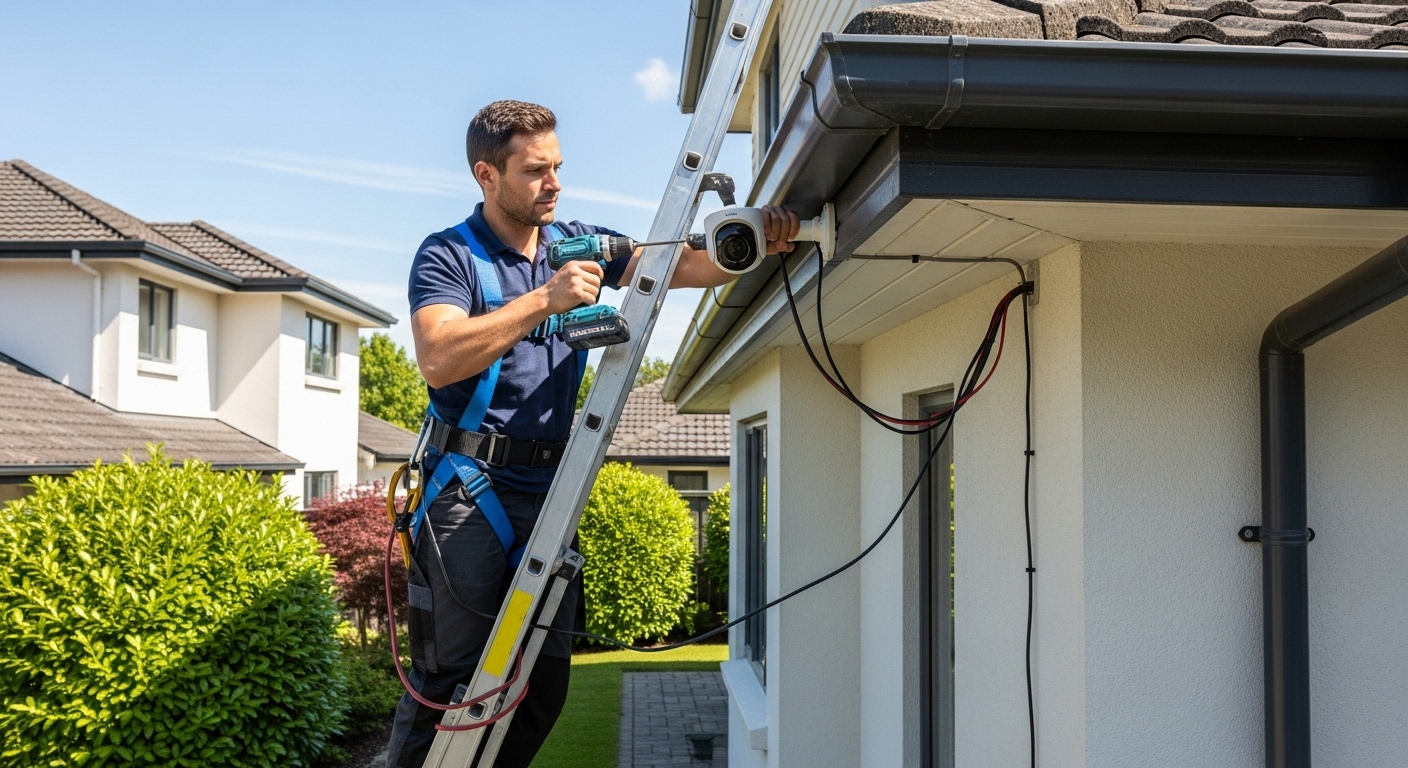

Repeated false alarms can lead to warning letters, permit trouble, and extra fees in Vancouver. A clean alarm system monitoring services setup helps stop the easy mistakes. Pair it with tuned motion sensor installation services so pets and drafts do not trip it. If you need help today, call (778) 951-2033.
Quick overview
- You get a warning after repeat false alarms.
- Police response can change if your permit is not in good standing.
- Neighbors and staff get stressed by sirens.
- You may pay to reinstate your permit after too many false alarms.
In this guide
- Alarm verification steps reduce “oops” dispatches.
- Better sensor placement cuts repeat triggers.
Simple version (do this first):
- Set entry/exit delays so you have time to disarm.
- Name zones in plain words (Front door, Back door).
- Keep 3 keyholders on the call list.
- Test monthly with your monitoring team (on a quiet day).
TL;DR: Stop false alarms in Vancouver
- Tune sensors and delays to cut user mistakes.
- Use verification so real alarms get handled fast.
- Update your permit info and contact list every time something changes.
What counts as a false alarm
A false alarm is when your system triggers but there is no real break-in. Good alarm system installation services sets the right delays and sensor spots, so daily life does not set it off. This is the easiest way to avoid repeat calls in Vancouver.
Context (what matters in this situation):
- Someone opens a door and forgets the code.
- A motion sensor sees a pet, balloon, or heater blast.
- Low battery or loose sensor makes “ghost” trips.
- Testing the system the wrong way triggers a dispatch.
How pro setup cuts false alarms
A pro setup makes your alarm easier to use and harder to trip by accident. It also adds quick checks like CCTV camera installation services so you can verify what happened before you panic.
What this usually looks like (real-world flow):
- A small shop in Vancouver had two false alarms in one month.
- Staff were rushing in and typing the code too late.
- The back door sensor was loose and vibrating at night.
- The call list was outdated, so nobody answered verification calls.
- After a tune-up, the trips stopped and the owner could sleep.
Details to confirm (so you get the right help fast):
- We set a longer entry delay for busy mornings.
- We re-mounted the door contact and tested the zone.
- We updated the call list and added a simple test plan.
What you should get as the outcome:
- Fewer false alarms and fewer headaches.
- Cleaner logs if the city ever asks questions.
- More confidence when a real alarm happens.
What can still trip you up (even with monitoring)
Monitoring helps, but your plan and your gear still matter. If you want a clear picture of costs and plan terms, read our alarm monitoring pricing guide.
Limits / constraints (what can slow things down):
- If someone enters the wrong code, it can still be a false alarm.
- If nobody answers verification calls, the response can change.
- If your sensors are old, they may misread and trip.
- If you move or renovate, zones often need re-tuning.
Hidden costs to watch for:
- Permit reinstatement fees (set by the city, not the alarm company).
- Lock changes or new keys after a rushed call-out.
- Fixing old gear, like camera system repair and maintenance services, before it fails.
- After-hours service calls if a sensor fails at night.
What to do now
If you have had one false alarm, treat it like a warning. Fix the root cause now, not later. Small setup changes can prevent the next costly dispatch.
- Write down the exact zone that tripped (door, motion, glass break).
- Update your keyholder list and test the system once.
Our recommendations for fewer false alarms
Use longer entry/exit delays for busy doors.
Add an easy backup entry, like smart lock installation services, so nobody guesses the code.
Put a “cheat sheet” by the keypad: disarm first, then open.
Add quick video checks with wireless camera setup services.
Test monthly and log the result (date zone).
Update contacts any time staff or tenants change.
Safety: 5-step false-alarm check
Do this check right after a false alarm. These steps work even better with reliable keypad entry systems installation services.
A good option is:
- Disarm the system and confirm everyone is safe.
- Check the zone that tripped (front door, motion, glass break).
- Look for simple causes: loose door, pet, fan, heater, balloon.
- Call your monitoring team to note it as a false alarm.
- Schedule a tune-up if the same zone trips again.
Scenario: Storefront door keeps tripping
If staff are unlocking the door while the alarm is still armed, it will trip. Add a clear open-up routine and consider intercom system installation services so you can screen after-hours visitors without opening fast.
Do this:
- Extend the entry delay by 10–20 seconds.
- Move the keypad closer to the main door.
- Train staff: disarm first, then unlock.
Scenario: New staff keep forgetting the code
Codes get shared, mistyped, and forgotten. A better fix is simpler access, like card and fob access systems installation services, plus a clear list of who can arm/disarm.
We recommend this:
- Use one code per person (no shared codes).
- Remove old users right away.
- Add a short training video for new hires.
Scenario: Smoke/heat sensor triggers with no fire
Steam, cooking smoke, and bad placement can trigger alarms. Make sure you have the right sensor type and placement with fire and smoke alarm installation services so your system stays calm.
Here’s a simple path forward:
- Keep detectors away from kitchens and bathrooms (when possible).
- Clean dust off sensors during seasonal changes.
- Replace old batteries before they get weak.
Suggested plan:
Step 1: Book a quick setup review
Tell us what tripped, how many times, and what time it happened. We will focus on the one zone causing the trouble first.
Step 2: Share your exact address and entry plan
Send the unit number, closest door, and the best safe word for verification calls. Also list 3 keyholders who can answer and arrive if needed.
Step 3: Add the right upgrades (only if needed)
If false alarms keep happening, small upgrades can help. Pick the option that matches your problem, then book a setup check.
City of Vancouver false alarm rules
The City of Vancouver explains what happens after repeat false alarms, including warnings and permit suspensions. Read the City false-alarm page before you change settings, so you know what the city expects. Keep the same names and phone numbers on your call list. This helps you avoid surprise fees.
FAQ
Will professional monitoring stop all false alarms?
It can cut them a lot, but it cannot stop every mistake. The goal is fewer trips and better verification when something happens. See real response times and verification steps to understand how verification works.
Do I need an alarm permit in Vancouver?
Many security alarm systems need a city permit to stay in good standing. If you are not sure, check the city rules in the resource section above and keep your permit details saved.
Can I do month-to-month alarm monitoring?
Yes, some plans are flexible. If you want no long contract, read month-to-month alarm monitoring in Vancouver and ask what is included.
What do I do if I set the alarm off by mistake?
Disarm right away. Then call your monitoring team and say it was a false alarm (use your safe word if you have one). Write down the zone that tripped so it can be fixed.
Why does my motion sensor trip at night?
Pets, heat from vents, moving curtains, and loose mounting can all trigger it. Try moving objects away and keep doors and windows closed. If it keeps happening, the sensor may need re-positioning.
Do cameras help reduce false alarms?
Yes. Video can help you confirm if someone is there or if it was just a mistake. It also helps you see which door or area triggered first.